What is a financial administrator (bewindvoerder)? Explained in plain language
What is a financial administrator (bewindvoerder)? Plain explanation of duties,…
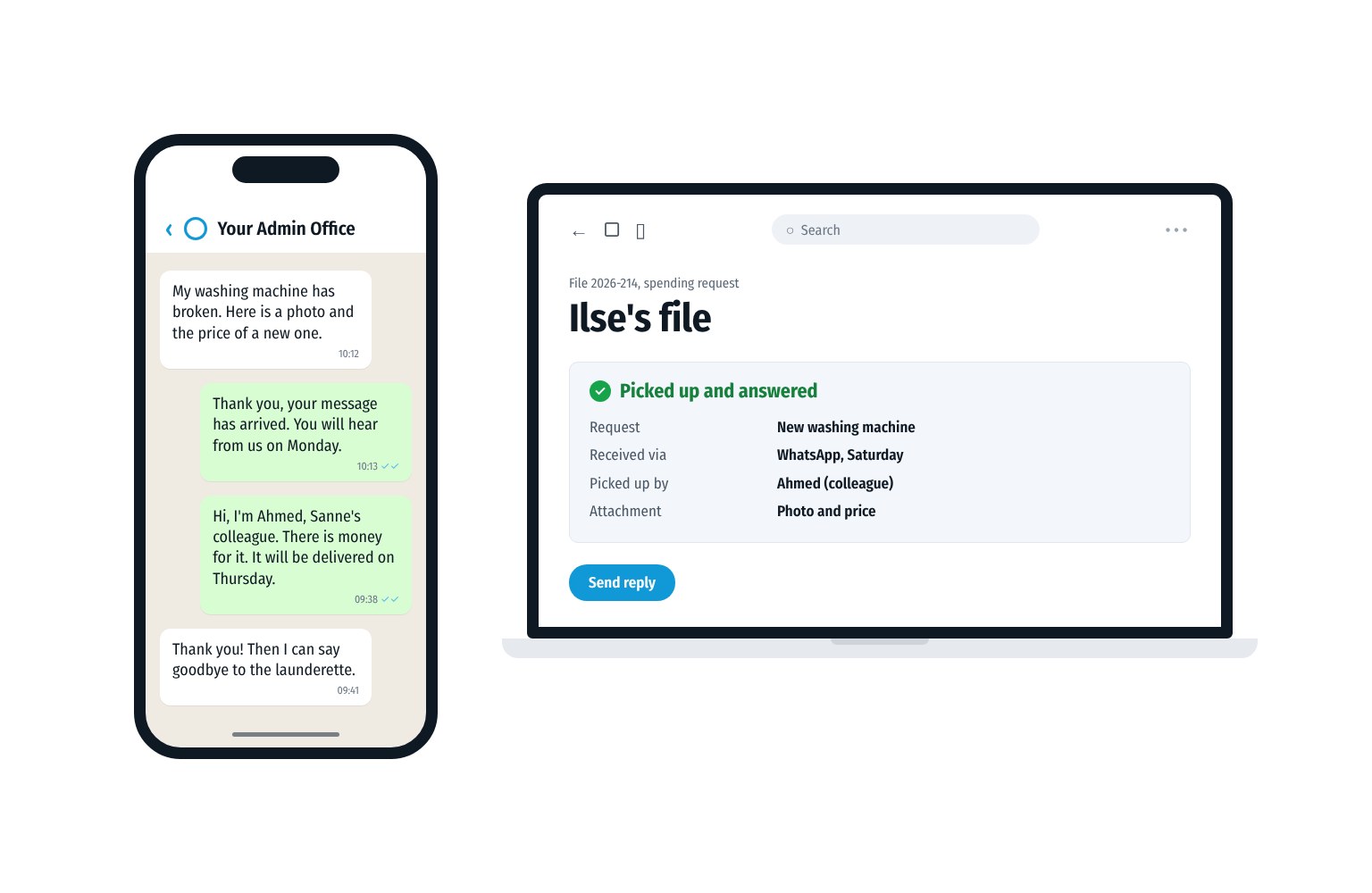
Saturday morning your washing machine stops. In the middle of a wash.
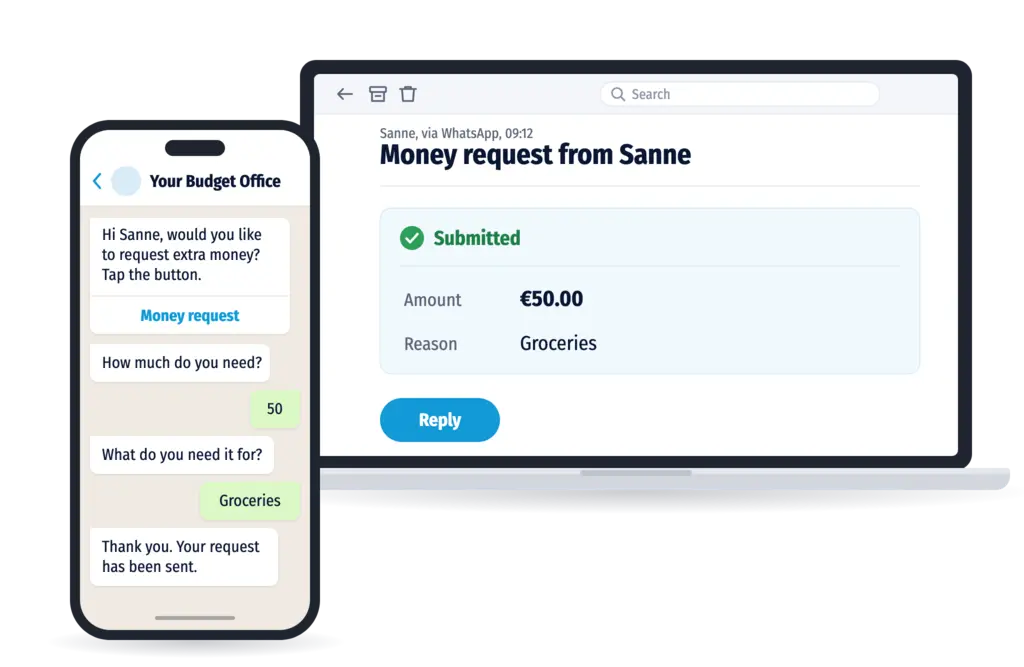
In the past you would order a new one straight away. Now you first send a message to Sanne, your financial administrator.
On Tuesday she calls back. There is money for a new one. She arranges it.
Until then you get to know the launderette on the corner better than you would like.
Administration costs you freedom, money and sometimes patience. In return you get protection and a judge who keeps watch.
The disadvantages of financial administration are that you no longer decide alone about your money and belongings and that you pay the financial administrator (bewindvoerder) yourself. On top of that you depend on how quickly your financial administrator responds, your administration may be listed in a public register and you cannot simply stop it.
For each disadvantage you can read below what you get in return. Or how to make it smaller.
The management of your money and belongings under administration lies with your financial administrator. This is set out in article 438 of Book 1 of the Dutch Civil Code (Burgerlijk Wetboek). You can only decide about them together with your financial administrator. The Dutch government calls this being not authorised to act (handelingsonbevoegd). That is lighter than curatorship (curatele). Anyone under curatorship is legally incapable (handelingsonbekwaam).
According to the Dutch judiciary (de Rechtspraak) you no longer decide these things alone:
What do you get in return? For big steps your financial administrator first asks you for permission. Can you not oversee it? Or do you disagree? Then the sub-district court judge (kantonrechter) decides. This is set out in article 441. According to the judiciary this includes spending of more than €2,000 and selling something of yours. It also works the other way round. Does your financial administrator say no to something you want? Then you can ask the sub-district court judge for permission.
Some things remain entirely yours. According to the judiciary these are:
You can also start doing more yourself step by step. Often you first go from a weekly living allowance to a monthly one. After that you may pay part of your fixed costs yourself.
Your financial administrator must give you insight into your finances. Do they work through Mijn CBM? Then you can view their reports yourself with your DigiD.
You pay the financial administrator yourself, from your own money. The amounts are in the Regulation on the remuneration of curators, financial administrators and mentors (Regeling beloning curatoren, bewindvoerders en mentoren). For a professional financial administrator the following applies in 2026:
A family member acting as financial administrator can ask for €883 a year.
What do you get in return? It is a fixed amount from the regulation. A financial administrator may also charge less. Travel costs are included. A financial administrator may only charge more if the judge agrees. Can you not afford it? Then apply to your municipality for special assistance (bijzondere bijstand). The municipality checks whether you are entitled to it. Your financial administrator can make the application for you.
Yes. This is one of the disadvantages of a financial administrator. Do you want to know something or buy something outside your living allowance? Then you go through your financial administrator. How quickly you can move on depends on how well you can reach them. With a letter that has a payment deadline you notice that straight away.
What do you get in return? A professional financial administrator works for three or more people. They must meet the quality requirements (kwaliteitseisen):
An office that is easy to reach makes this disadvantage smaller. At the introduction, ask how you can reach the office. Can you call, message or email? May you send a photo of a letter? And who helps you when your own financial administrator is off?
Sometimes. There is a public Central Register of Curatorship and Administration (Centraal curatele- en bewindregister). Anyone can look in it free of charge. Whether your administration is in it depends on the reason:
Does the administration end? Then your registration ends too.
What do you get in return? The register is meant as protection. Is your administration listed? Then your financial administrator can have a purchase of yours reversed. Do you want the registration removed? Ask the judge. The judge decides.
Not on your own. You do not take out a loan or a mortgage alone during the administration. Does your financial administrator borrow money in your name? Then they need your permission. Can you not oversee it or do you not want to? Then the sub-district court judge decides. This is set out in article 441.
What do you get in return? Does someone lend you money anyway, bypassing your financial administrator? And did they know about the administration, or should they have known? Then they cannot recover that money from what is under administration. Not even once the administration has ended. The debt itself does not disappear because of this. This is set out in article 440.
Since 1 January 2021 the judge always imposes administration because of debts or prodigality for a fixed period. With debts the judge usually imposes it for five years. After three years the judge holds an interim review of whether the administration can continue or can stop. Is it still needed after five years? Then the judge can extend it. Administration because of your health can also have no end date.
The administration ends when the period is over, on death or if you are placed under curatorship. The sub-district court judge can also lift it. For example if it is no longer needed. This is set out in article 449.
What do you get in return? You may ask the sub-district court judge yourself to end the administration. Your financial administrator and your family may do so too.
These are the steps:
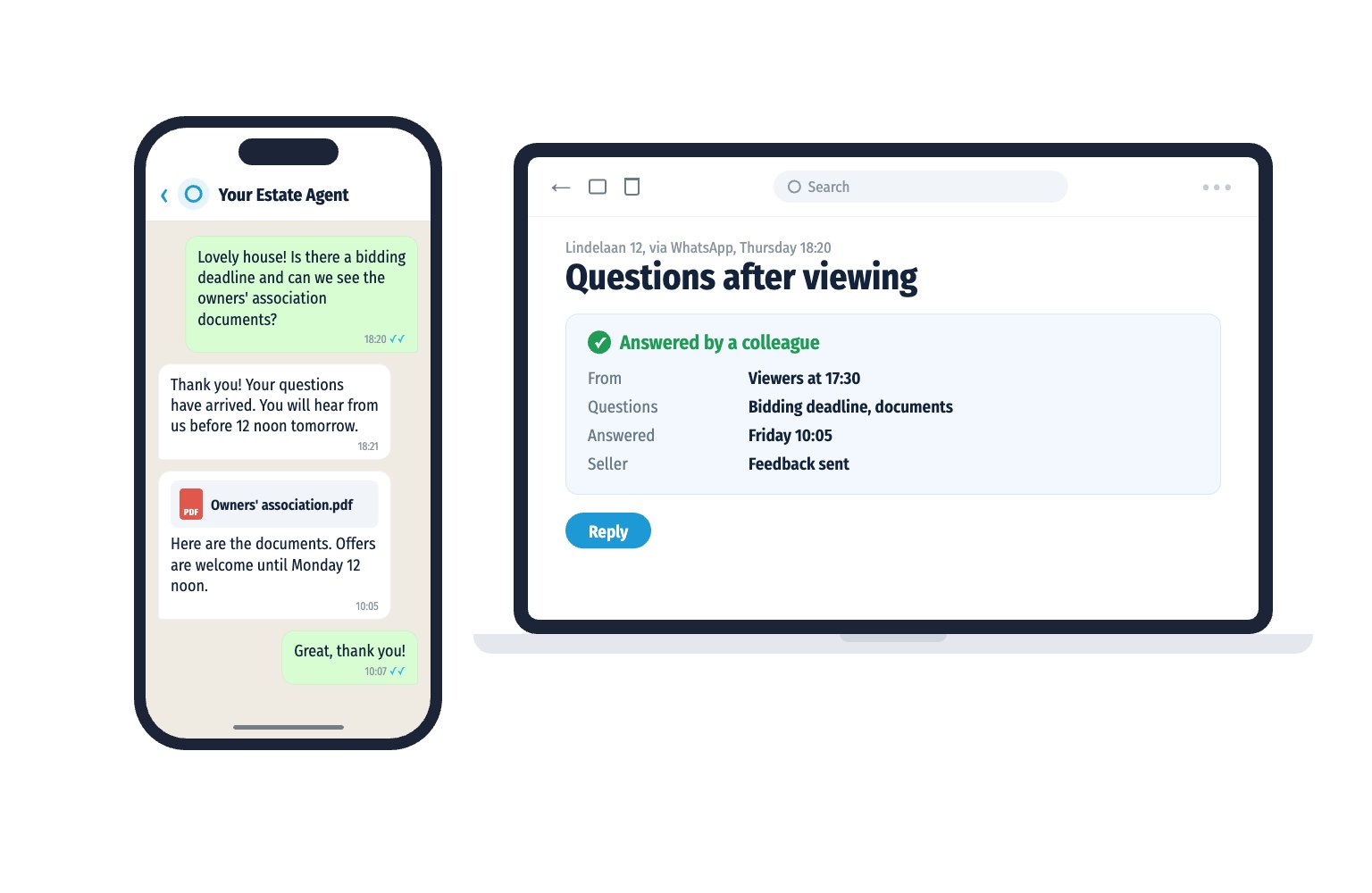
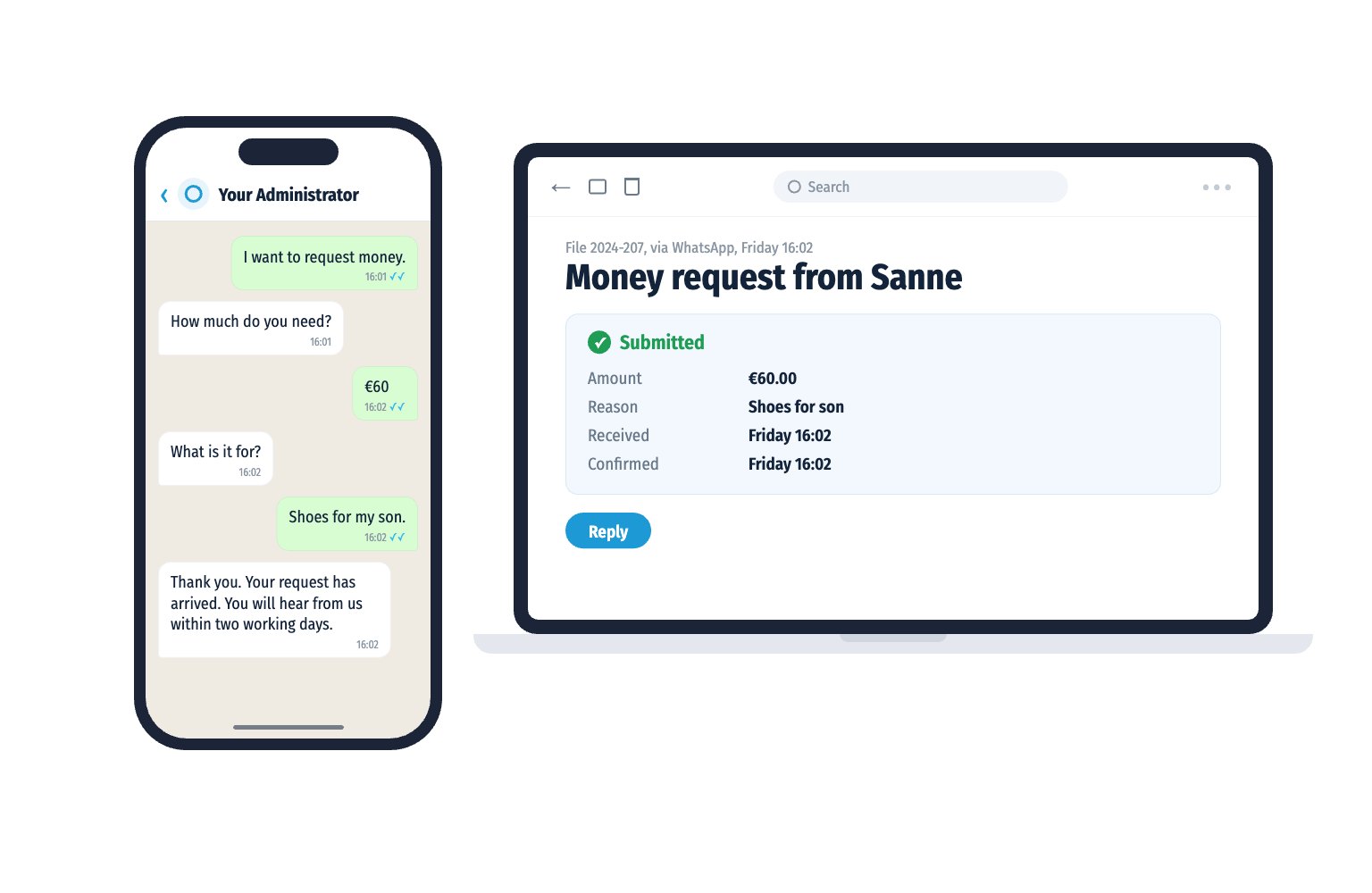
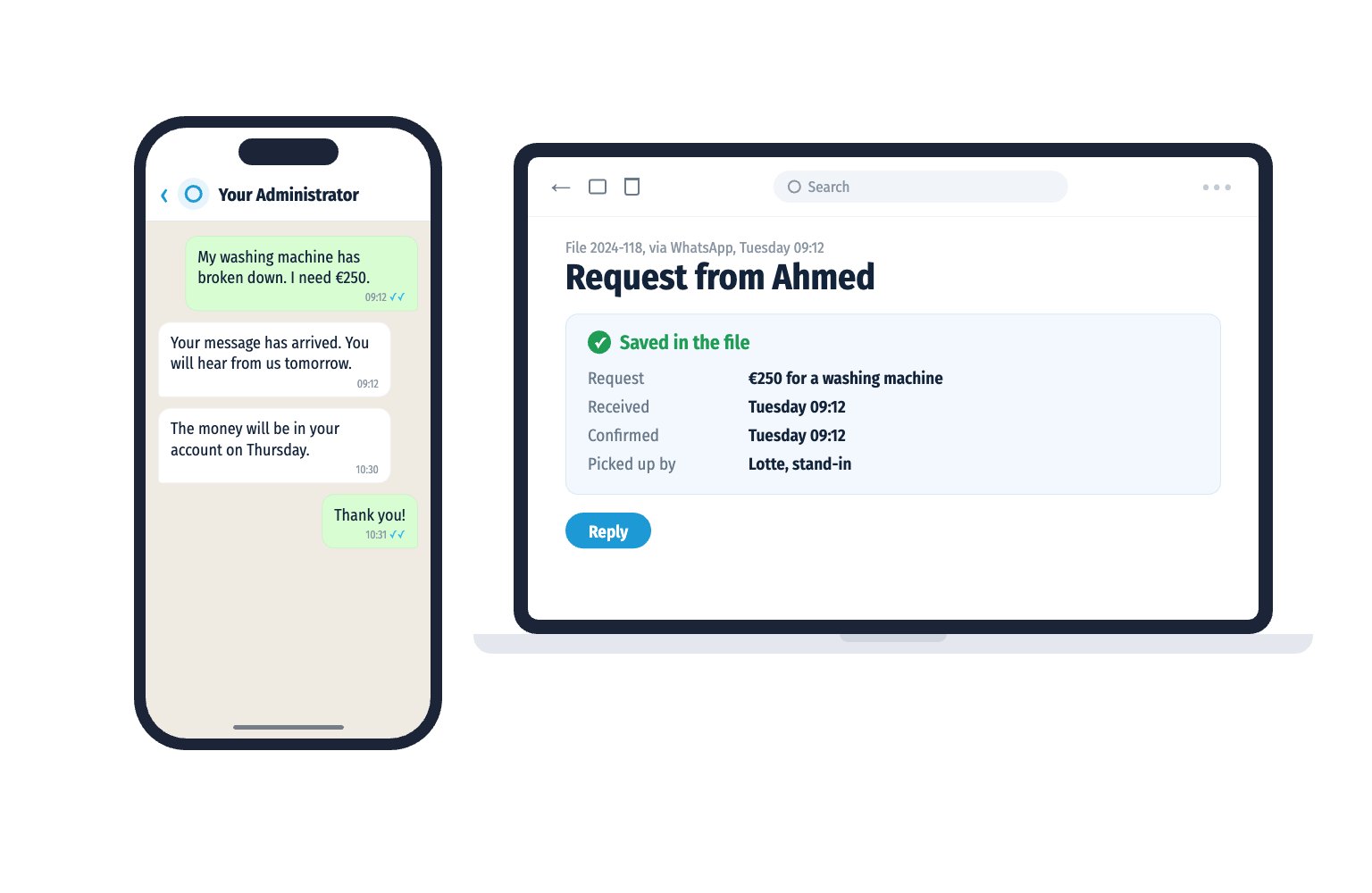
Saturday morning your washing machine stops. You message a photo to the number of your administration office. And the price of a new one.
A minute later: “Thank you, your message has arrived. You will hear from us on Monday.”
On Monday Sanne is off. Her colleague Ahmed sees your photo in the office email, with your file. He messages: “There is money for it. It will be delivered on Thursday. It is in your file.”
From now on the launderette on the corner will have to manage without you.
The client is heard. The financial administrator simply works in their own email. The office earns it. So it arrives.
Are you a financial administrator? Send this page to your new client or to their family. Then they know in advance what administration asks of them and what they get in return.
How does your office score? Take the free Communication Scan for financial administrators. You see where you can gain in reachability, requests and record keeping. Your result arrives straight in WhatsApp.
Prefer to see how it works first? Book a demo.
You no longer decide alone about your money and belongings and you pay the financial administrator yourself. You depend on how quickly your financial administrator responds. With debts or prodigality your administration is listed in a public register.
A professional financial administrator receives €1,630 a year, or €2,107 with problematic debts. On top of that comes a one-off €767 for the start and €288 at the end. VAT may be added.
Administration because of debts or prodigality is listed in the public Central Register of Curatorship and Administration (Centraal curatele- en bewindregister). Anyone can view it free of charge. Administration because of your health is only listed if the judge decides so.
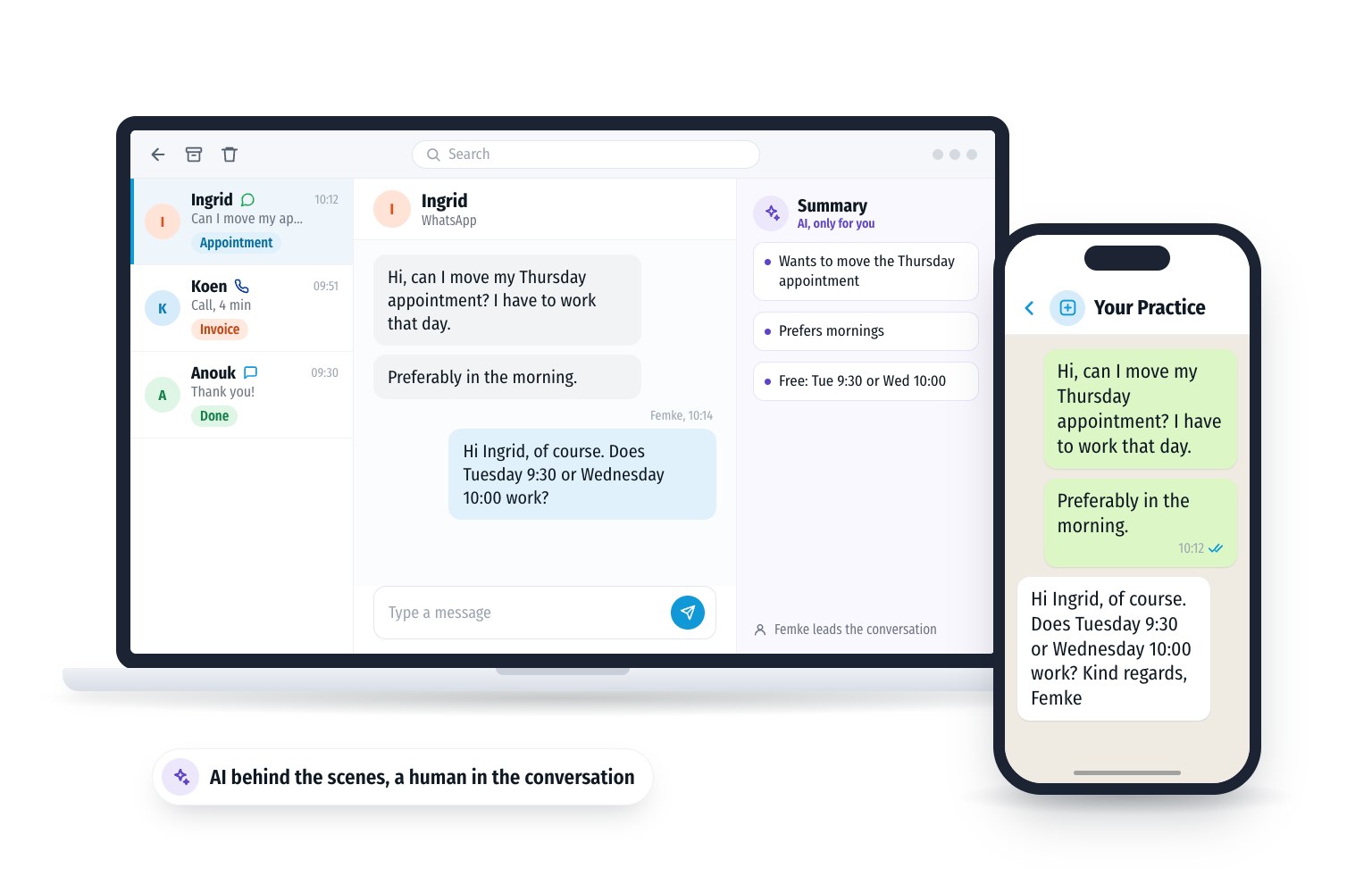
A professional financial administrator can be reached by phone at least four working days a week. You get a reply to a message within two working days.
The administration ends when the period for which it was set up is over. You can also ask the sub-district court judge yourself to lift the administration. That is possible if it is no longer needed.
Free Communication Scan
Take the free Communication Scan. 6 questions, 1 minute, your result straight to WhatsApp.
or book a 30 minute demo