Financial administrator on holiday: how to stay reachable
Financial administrator on holiday, self-employed or in an office? What…
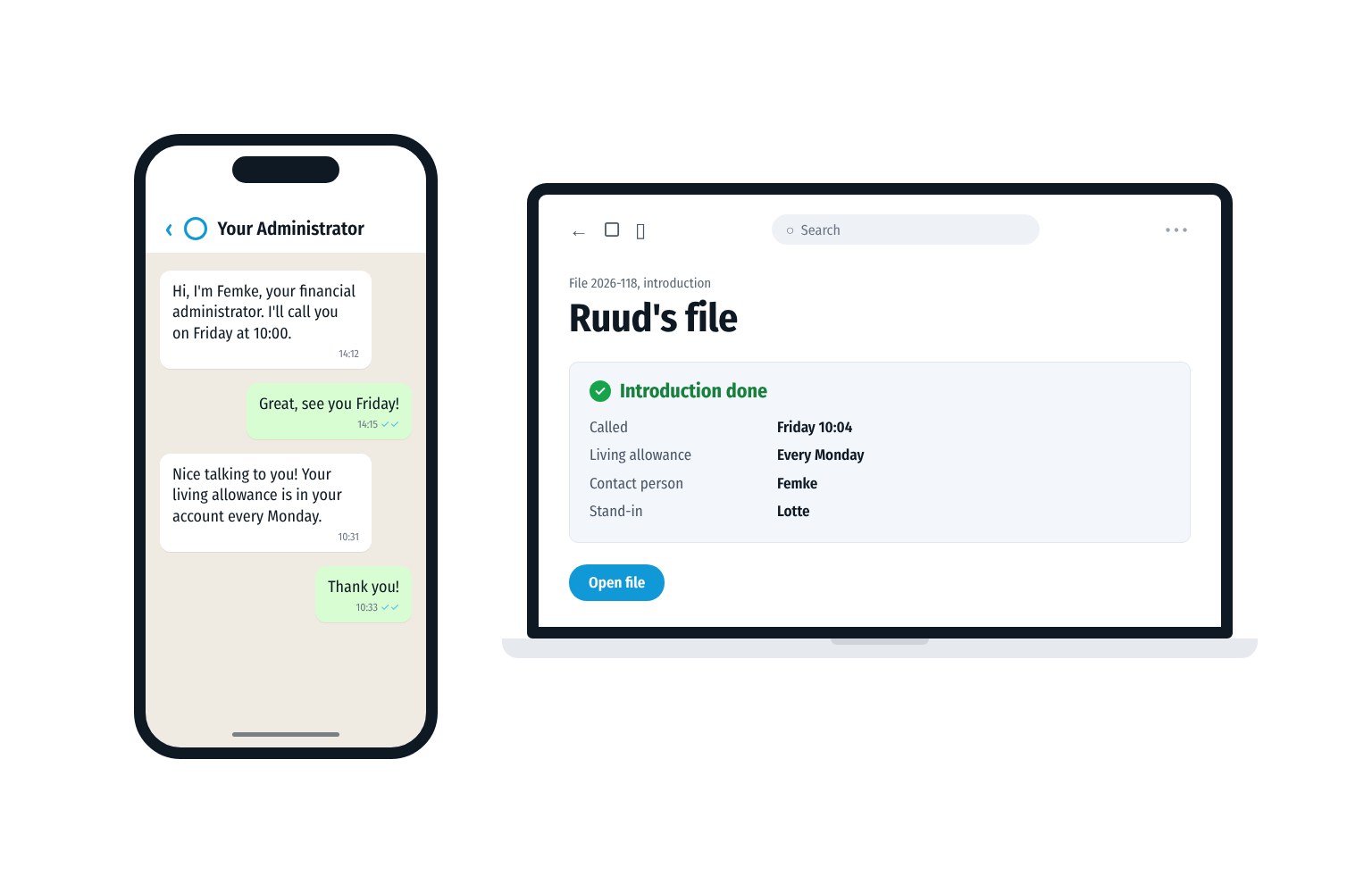
Last week you sat in front of the sub-district court judge. Today the letter from the court is on the doormat. You are getting a financial administrator.
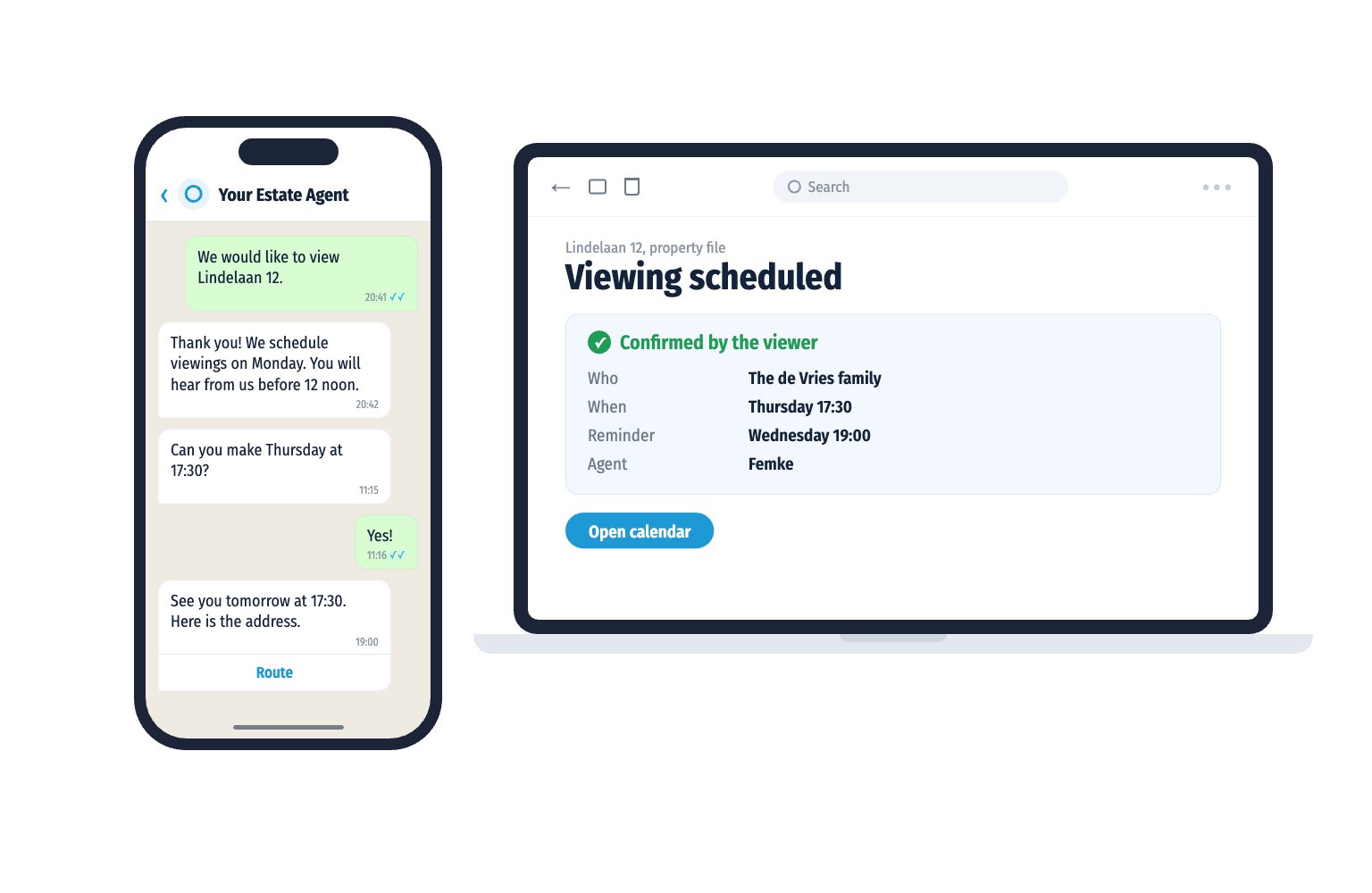
That same afternoon a message: “Hi, I’m Femke, your financial administrator. I’ll call you on Friday at 10:00.”
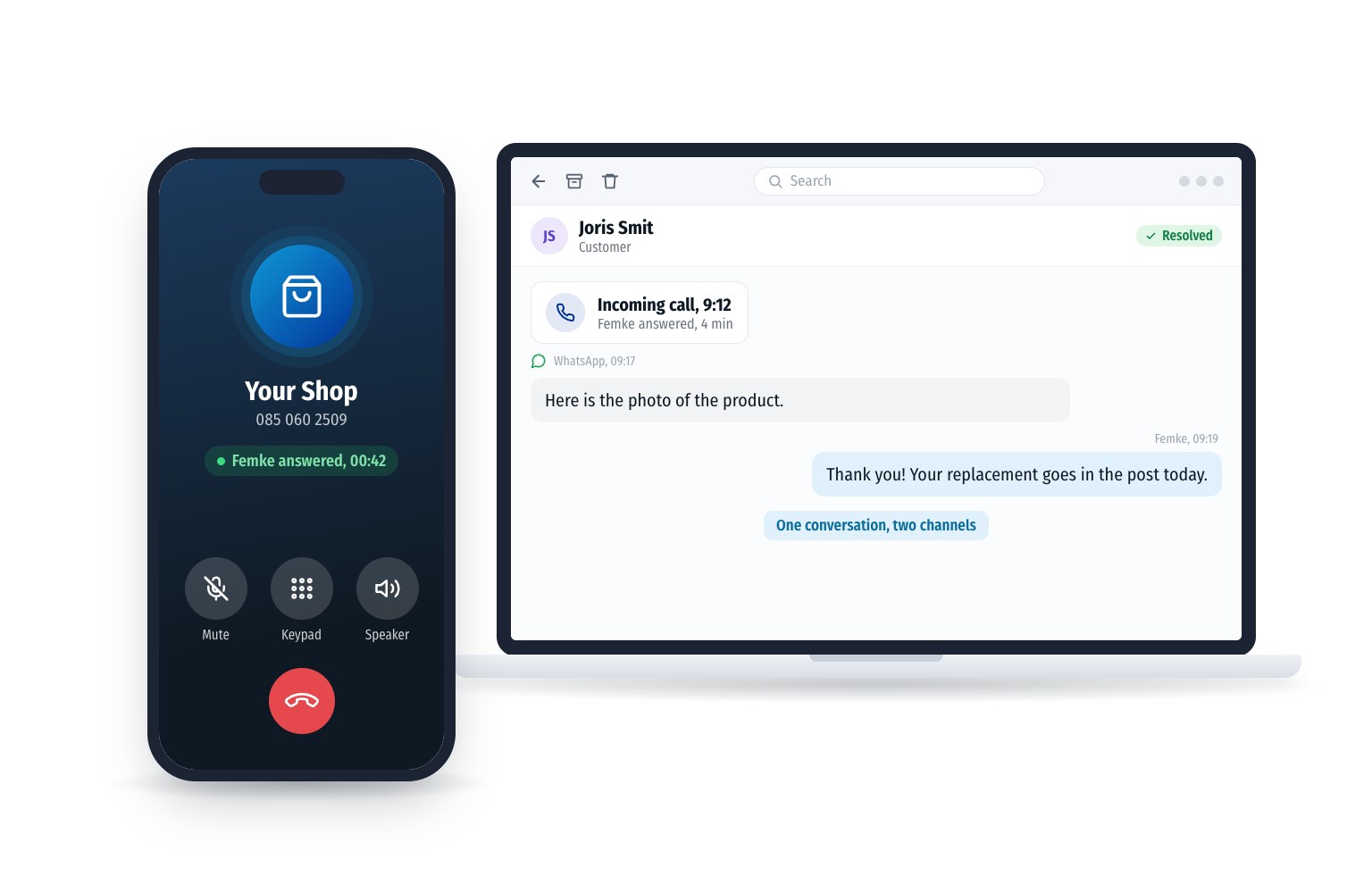
On Friday she calls. At 10:04. She tells you that your living allowance will be in your account every Monday. That the rent simply gets paid. And that she will pick up the letter from the Tax Administration.
The letter that has been lying under the fruit bowl for three weeks.
Your financial administrator deals with your money. Not with your care.
A financial administrator (bewindvoerder) manages the money and belongings of someone who cannot do that well themselves. Sometimes for a short while, sometimes for longer. It can cover all your money. Or part of it, such as only your savings or your house. The sub-district court judge (kantonrechter) appoints the financial administrator. This is called protective administration (beschermingsbewind).
The judge can do this for three reasons. Because of your health, physical or mental. Because of prodigality: money keeps slipping through your fingers. Or because of problematic debts. Is it about prodigality or debts? Then since 1 January 2021 the judge imposes the administration for a fixed period. The judge can extend that period. This is set out in article 431 of Book 1 of the Dutch Civil Code.
A financial administrator can be a family member. Or a professional with their own office. A professional works for three or more people. They must meet extra requirements. Read more in A good financial administrator: what the quality requirements ask of you.
Three words that are often mixed up. This is the difference:
Your financial administrator makes sure your finances get in order. And that they stay in order. These are the duties of a financial administrator according to the Dutch judiciary (de Rechtspraak):
A financial administrator works under the supervision of the sub-district court judge. This is what they must do:
Is your financial administrator a professional? Then the quality requirements ask even more. They can be reached by phone at least four working days a week. You get a reply to a message within two working days. You get it in black and white who your contact person is and who the stand-in is. And every month you get an overview of what has happened in your account. Unless you do not want that or cannot understand the overview.
A professional has had to work digitally with the court since 1 January 2026. Their reports and requests go to the judge via the internet.
For big steps your financial administrator needs permission. They ask you first. Can you not oversee it? Or do you not agree? Then they ask the sub-district court judge for permission. This includes:
On the other hand, there are things you simply do yourself. Spending your living allowance. Making a will. Voting. And deciding on the care and upbringing of your children.
The sub-district court judge sets the fee. The amounts are in the Regulation on the remuneration of curators, financial administrators and mentors. For 2026:
These are the amounts in the regulation. A financial administrator may also charge less. Sometimes another amount is added. For example €478 if your house is sold. Do you and your partner both have a financial administrator? Then other amounts apply.
You pay the financial administrator yourself, from your own money. This is done monthly. Can you not afford it? Then apply to your municipality for special assistance (bijzondere bijstand). The municipality checks whether you are entitled to it. Your financial administrator can make the application for you.
Someone applies to the sub-district court judge. You may do that yourself. Your partner may also ask. And your family, such as your parents, children, brothers, sisters, uncles, aunts, nephews, nieces or cousins. In-laws may not. Your guardian, curator or mentor may also ask. As can the institution where you receive care or support and the Public Prosecution Service (Openbaar Ministerie). Is it about prodigality or debts? Then the municipality may also ask. This is set out in article 432.
Usually the sub-district court judge hears you first at a hearing. Do you have a clear preference for a financial administrator? Then the judge follows it. Unless there is a good reason against it.
The administration ends when the period for which it was set up has passed. The judge can extend that period. It also ends on death or if you are placed under curatorship. And the sub-district court judge can lift the administration if it is no longer needed. You may ask for that yourself. Your financial administrator and your family may do so too.
At the introduction, ask how you can reach them. And who you speak to when they are off. A professional must give you that in black and white.
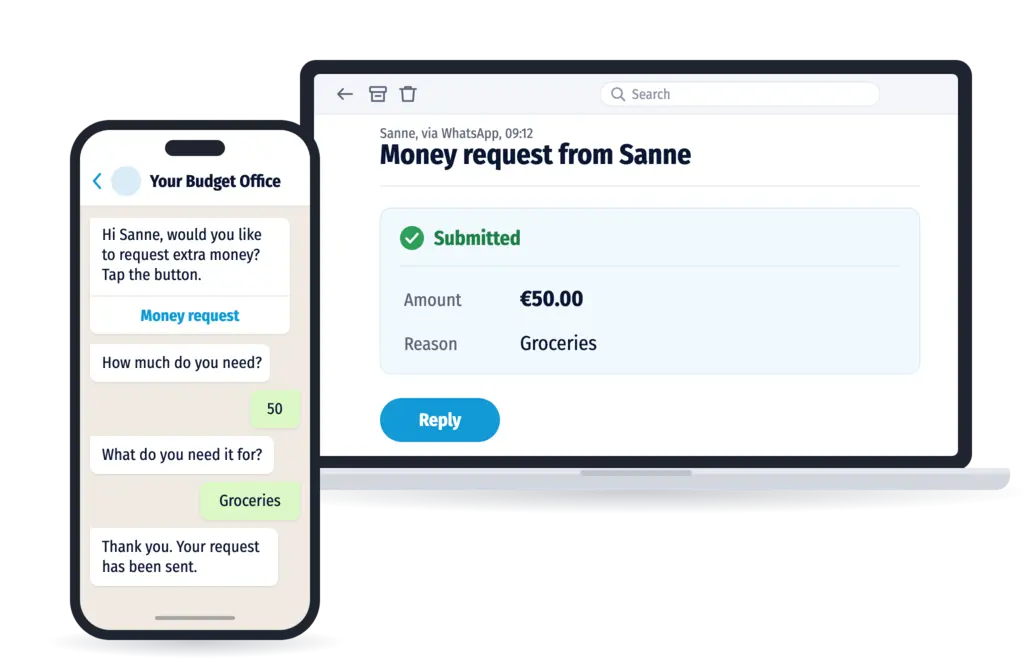
Do you have a question about a letter? Call, message or email. Send a photo of the letter straight away. Then your financial administrator knows at once what it is about.
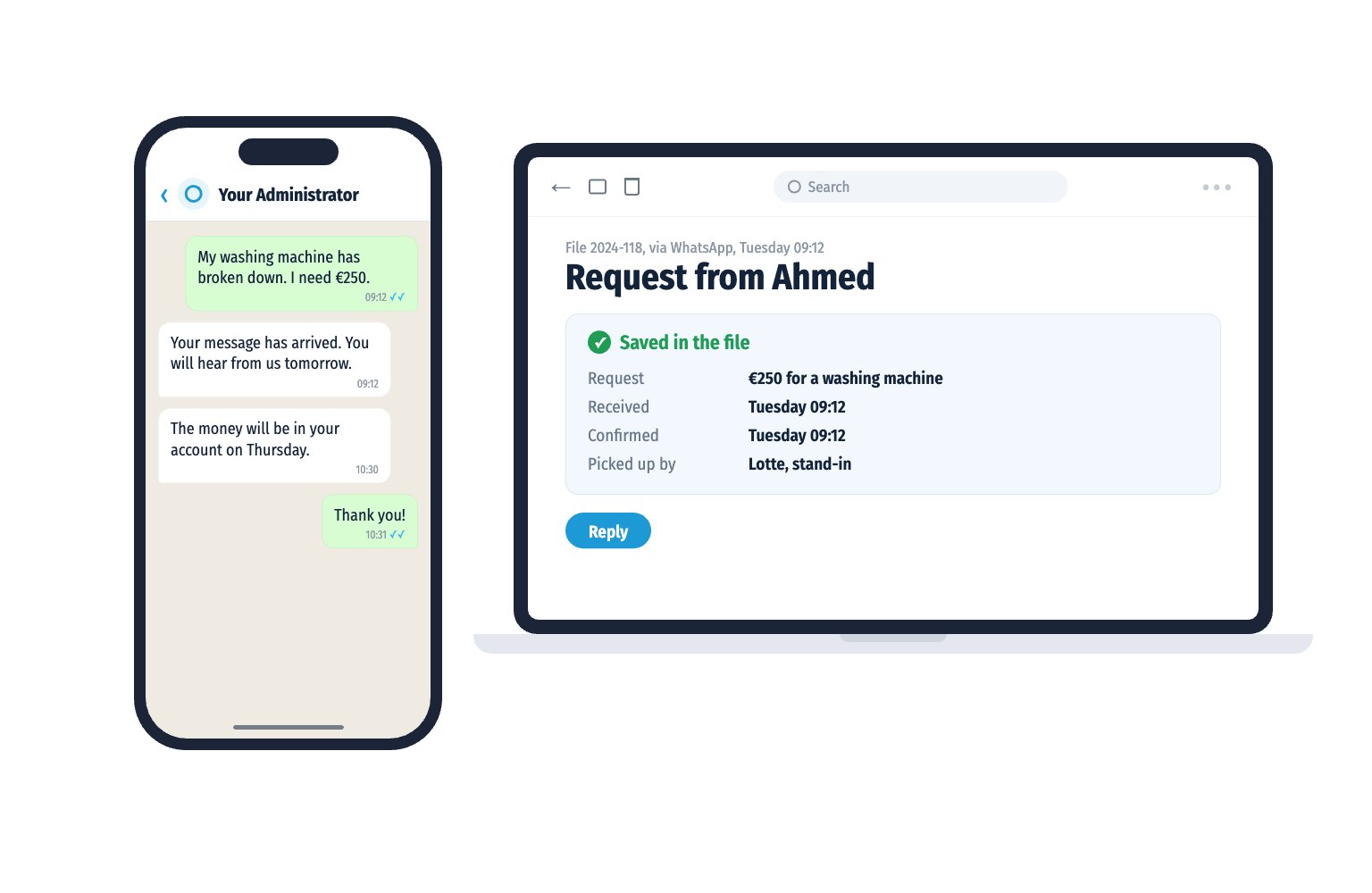
Saturday. You message a photo of your energy bill to the number of your administration office.
A minute later: “Thank you. Your photo has arrived. You will hear from us on Monday.”
On Monday Femke is off. Her colleague Lotte sees your photo in the office email, with your file. She pays the bill and messages: “Sorted. It is in your file.”
You put the fruit bowl back on the table. There is nothing under it any more.
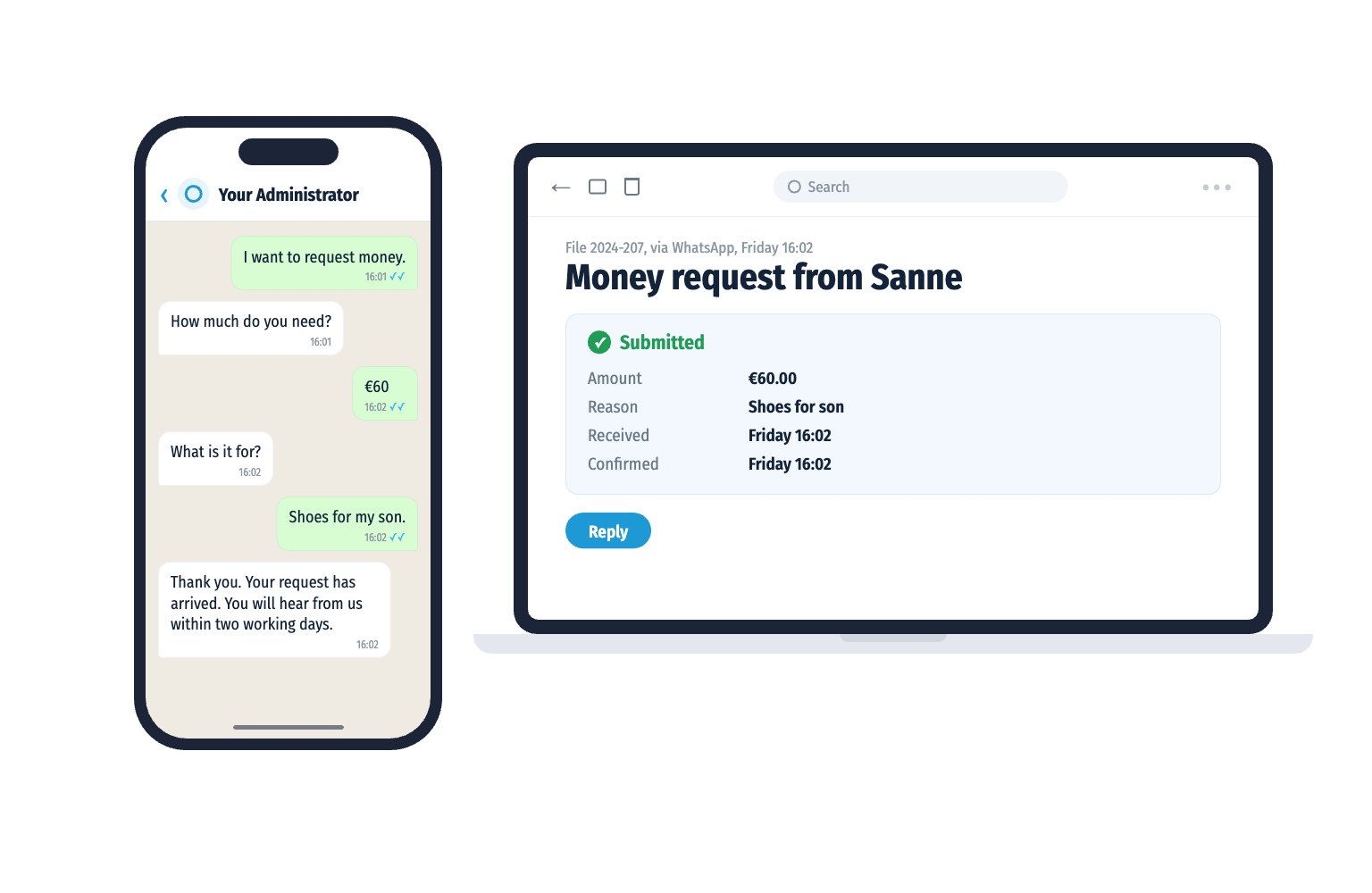
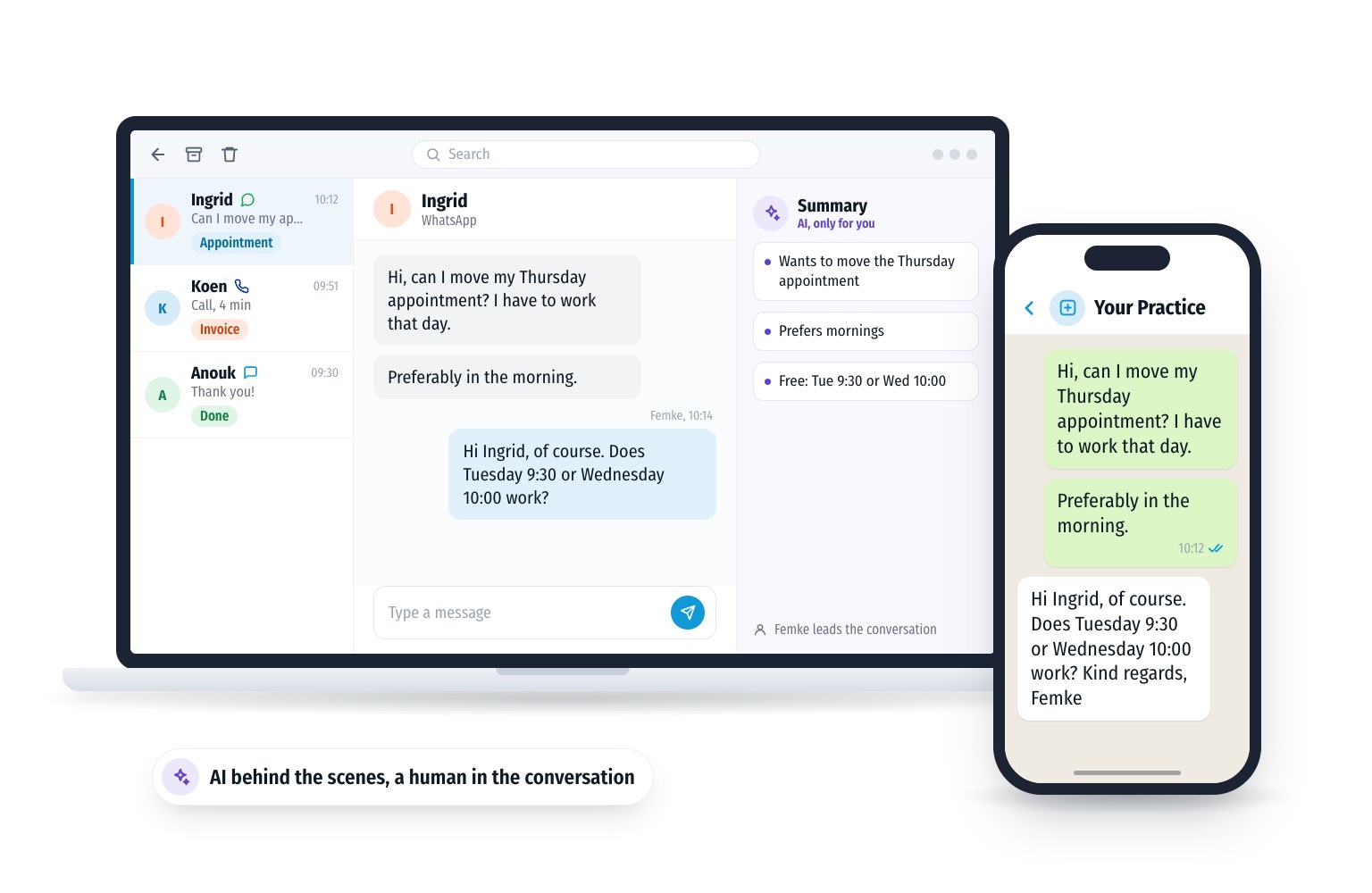
The client is heard. The financial administrator simply works in their own email. The office earns it. So it arrives.
Are you a financial administrator? Send this page to your new client or to their family. Then they know in advance what they can expect from you.
How does your office score? Take the free Communication Scan for financial administrators. You see where you can gain in reachability, requests and record keeping. Your result arrives straight in WhatsApp.
Prefer to see how it works first? Book a demo.
A financial administrator manages the money and belongings of someone who cannot do that well themselves, temporarily or for a longer time. The sub-district court judge appoints them. This is called protective administration (beschermingsbewind).
They check that your income comes in, pay your bills and give you a living allowance. They apply for allowances, do your tax return and make arrangements about your debts. For big steps they ask you for permission first. If that is not possible, they ask the sub-district court judge.
They draw up an inventory within four months. Each year they render the annual account to the sub-district court judge. They give you insight into your finances. A professional financial administrator can be reached by phone at least four working days a week and replies to a message within two working days.
A professional financial administrator receives €1,630 a year, or €2,107 with problematic debts. On top of that comes a one-off €767 for the start. VAT may be added. A family member can ask for €883 a year.
You pay them yourself, from your own money. Can you not afford it? Then apply to your municipality for special assistance. The municipality checks whether you are entitled to it.
When the period for which it was set up has passed. On death or if you are placed under curatorship. Or when the sub-district court judge lifts it because it is no longer needed.
Free Communication Scan
Take the free Communication Scan. 6 questions, 1 minute, your result straight to WhatsApp.
or book a 30 minute demo